How to Audit a Waste Hauler Invoice: Common Overcharges and How to Catch Them
TL;DR: A waste invoice audit means matching every line against your contract and your weight tickets, then challenging what does not reconcile. You need three documents: the service agreement, at least six months of invoices, and scale tickets. Most leaks sit in the add-on lines, not in the base rate.
Why the base rate is the wrong place to look
A commercial waste bill is a base haul charge plus pass-through and administrative lines: tipping fees, fuel surcharges, environmental recovery fees, container rental, overage and contamination charges (Stellar Waste). Percentage-based surcharges grow every time anything else on the invoice grows, and annual escalators apply whether or not your service changed (CRI).
The 8 overcharges to check, line by line
- Fuel surcharge on the wrong base. A fuel surcharge applied to rental, admin and environmental lines has nothing to do with fuel (Stellar Waste). Check which index the contract names; many agreements tie it to the U.S. Department of Energy diesel average (Intellawaste).
- "Environmental" or "recovery" fees. They sound like government levies but are usually hauler-created and negotiable (Stellar Waste). Ask what they fund and how they are calculated (National Waste Associates).
- Escalators applied to everything. Escalation clauses typically follow CPI or a fixed percentage, but haulers often escalate all line items, including surcharges with their own mechanism (Intellawaste). Verify the cap was honored.
- Estimated weights. If you are billed per ton, you can ask for scale tickets; no ticket means you are estimated, not measured. Watch for markups on pass-through tipping fees.
- Bundled lines. Some national haulers now roll fees into a single line, removing the breakdown between haulage, disposal and surcharges (National Waste Associates). Ask for an itemized invoice.
- Recurring overages. One overage is an accident; recurring overages mean the container size or frequency is wrong.
- Contamination fees without proof. Request date, photos and the contract clause behind each charge.
- Auto-renewal at a higher rate. Find the term end date, auto-renewal clause and cancellation notice window, which can be measured in days (Stellar Waste checklist).
[[button-1]]
The two numbers to track every quarter
- Cost per pickup: total monthly spend (base plus every fee) divided by pickups. It turns a cluttered invoice into one comparable figure.
- Cost per ton per stream: the only way to compare landfill, recycling and rebate outlets, and to spot materials you should be selling instead of paying to remove.
Where Wastetide fits
Wastetide reads your waste invoices and contracts, flags gaps between billed and contracted prices (contract monitoring), produces clean data per site and stream (automated, compliant data) and spots recyclables leaving as mixed waste (material identification). Scrap is a separate game: see how to negotiate scrap metal contracts and our industrial waste audit checklist.
[[button-2]]
FAQ
How often should I audit waste invoices?
Quarterly is a common cadence: errors compound quietly, and a quarterly review catches a new fee or creeping surcharge before it runs for years.
Is the environmental fee on my waste bill a tax?
Usually not. In most cases it is a hauler-defined percentage, not a government levy, and it can be negotiated or capped.
What documents do I need for a waste invoice audit?
The service agreement with all amendments, at least six months of invoices from every hauler and site, and scale or weight tickets for tonnage-billed services.
Can I recover past overcharges?
Often you can request credits for charges that contradict the contract; your recovery period depends on the contract terms and applicable law.
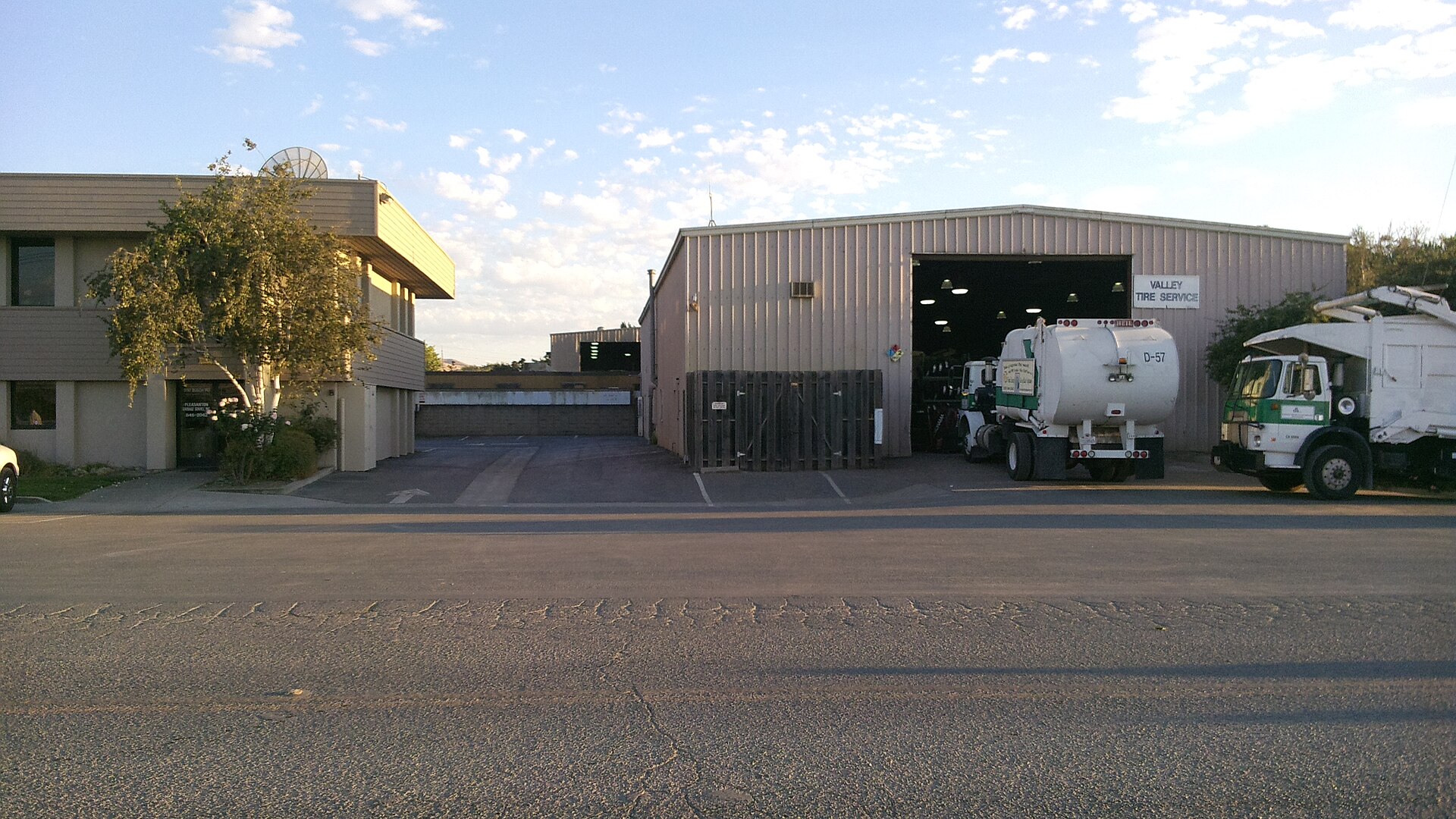
Sources: Stellar Waste (invoice fees guide, audit checklist); Combined Resources Inc.; Intellawaste; National Waste Associates. Image: "Pleasanton Garbage Service Trucks", Wikimedia Commons, CC0. This article is informational and not legal advice.
You may like
Turn waste into opportunity.
Hack the flow.
Join Wastetide.
At Wastetide, we turn discarded materials into new possibilities.
We combine responsible sourcing and bold design to transform waste into meaningful, sustainable value.
